
What is a Binyeo Hairpin?
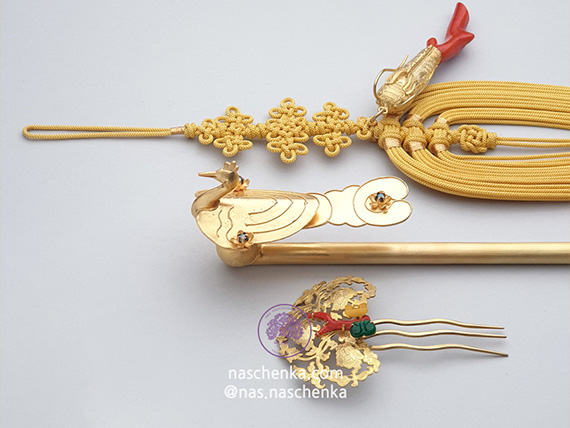
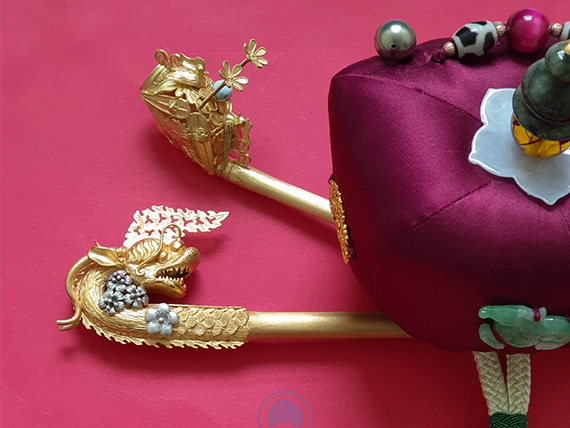
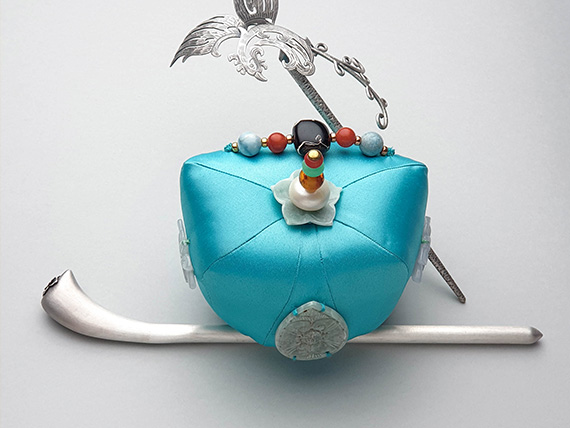
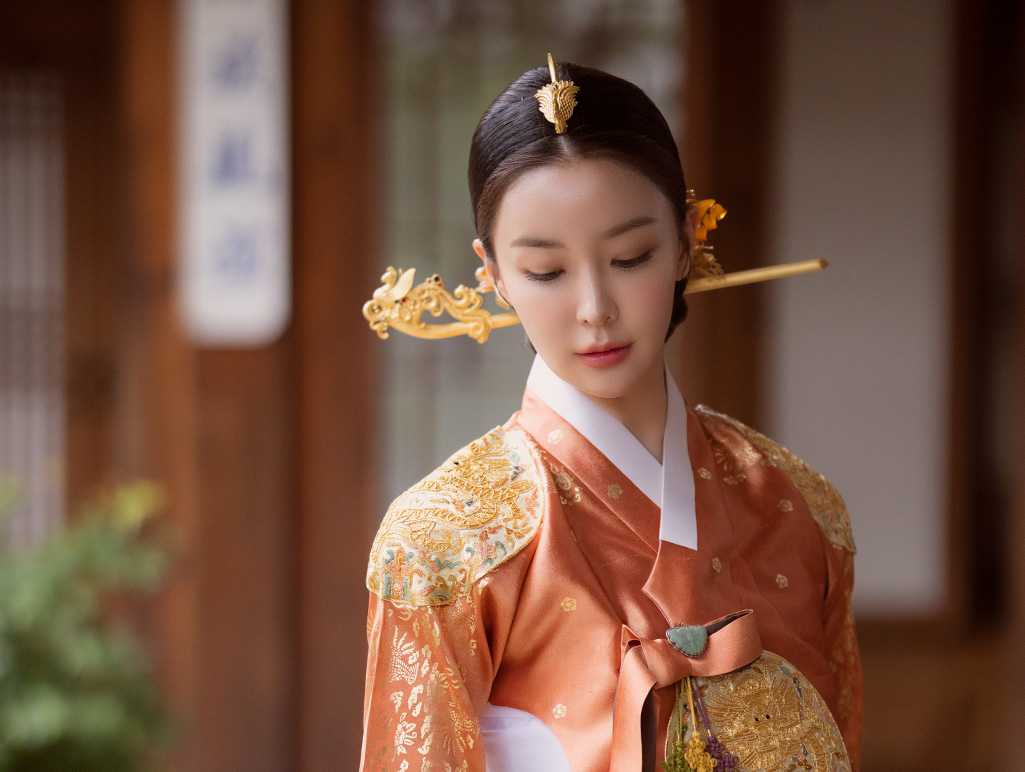
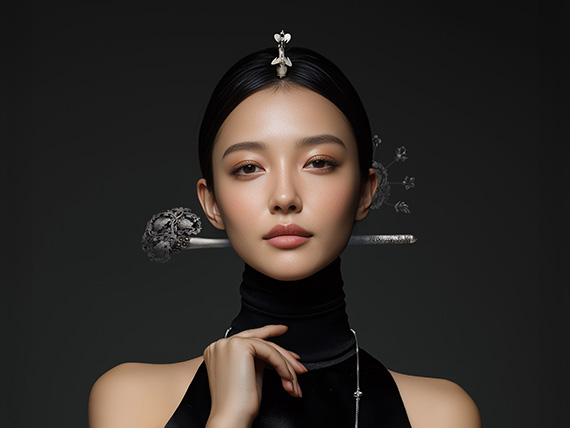
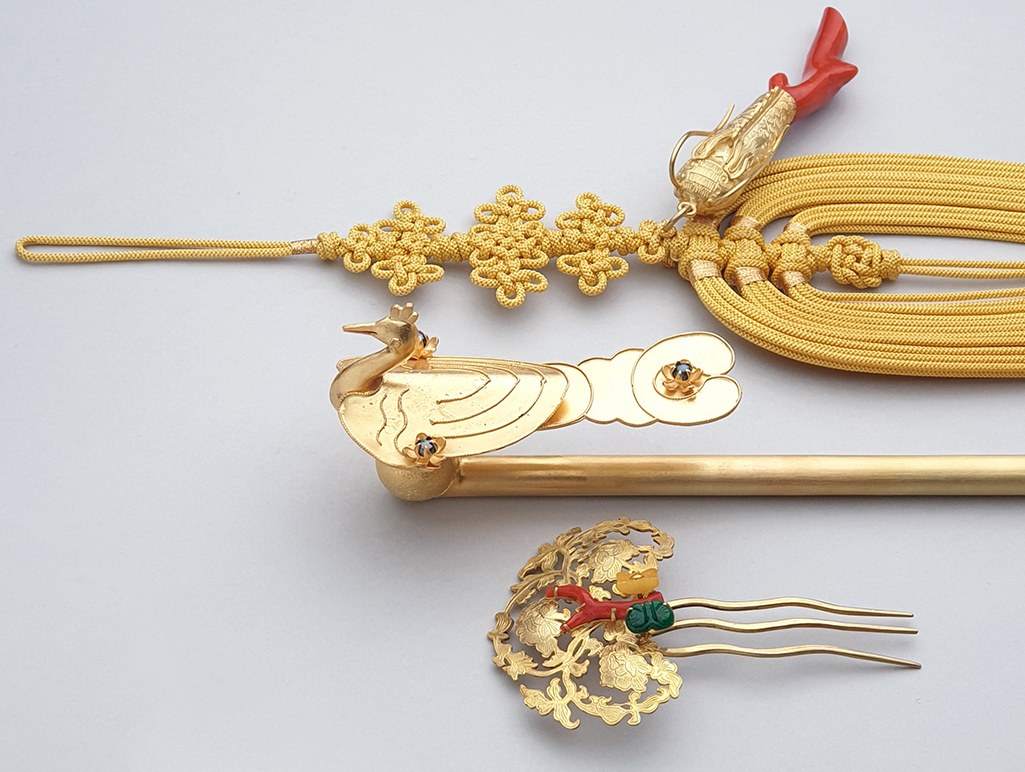
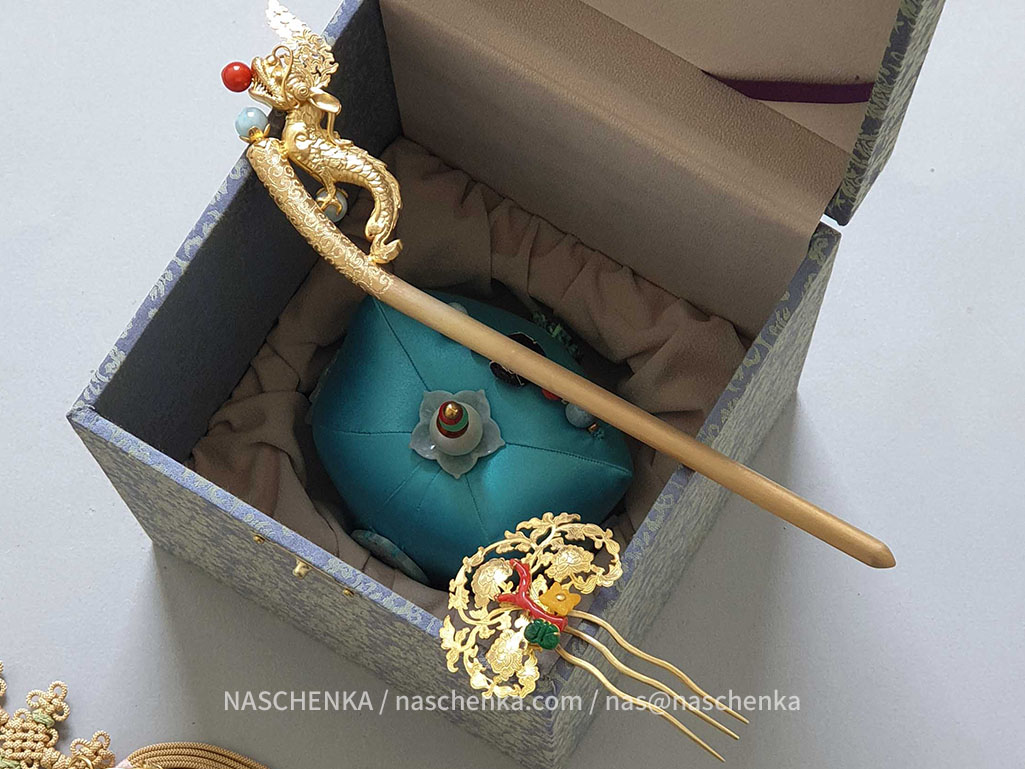
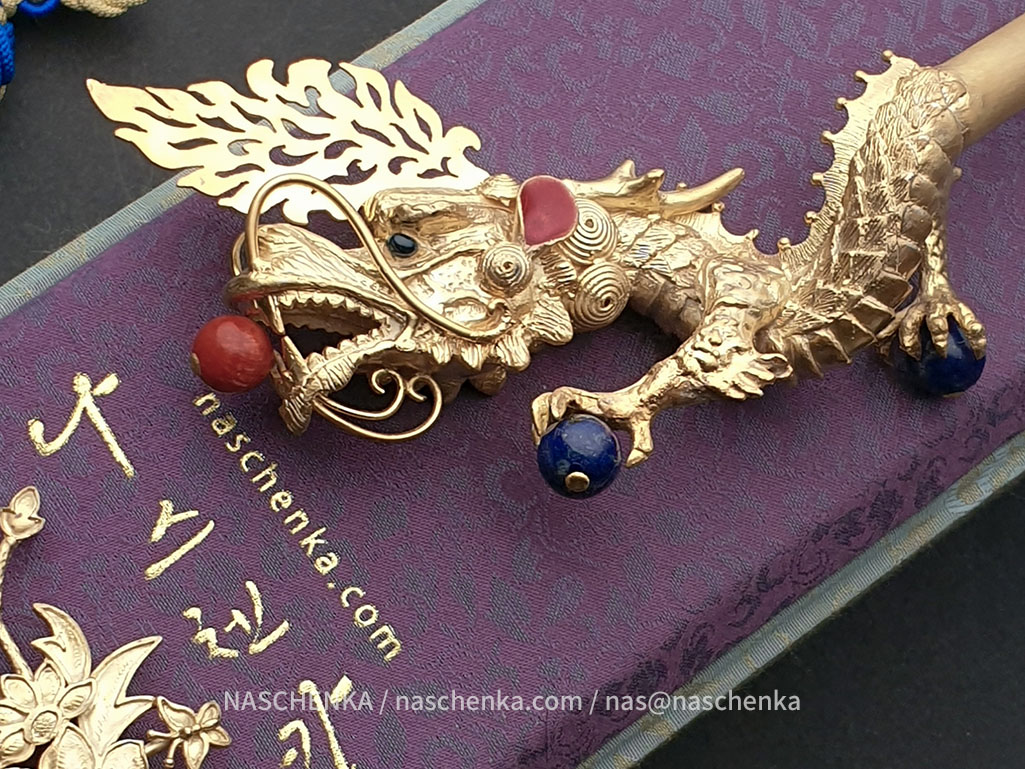
A binyeo is a traditional Korean hairpin used to secure a chignon or bun. But in Korean culture, the binyeo has never been merely a tool for holding hair.
For centuries, the binyeo has represented identity, dignity, and cultural meaning.
During the Joseon Dynasty, women wore their hair in a bun called jjok, and the binyeo was used to secure it in place. Beyond its practical function, the binyeo also served as a visible symbol of elegance, social status, and personal refinement.
The materials used for binyeo varied depending on social class and occasion.
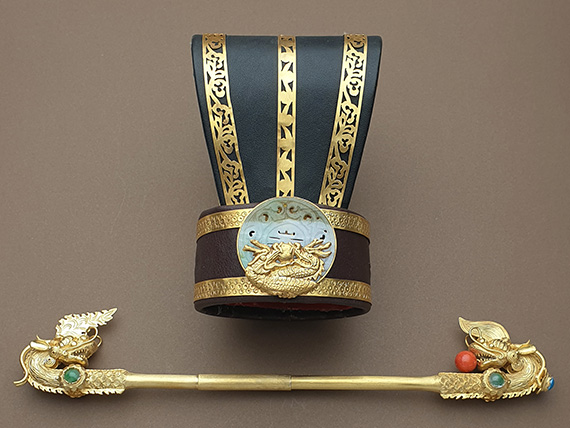
Royal and noble women wore binyeo crafted from precious materials such as:
- Jade
- Coral
- Gold
- Silver
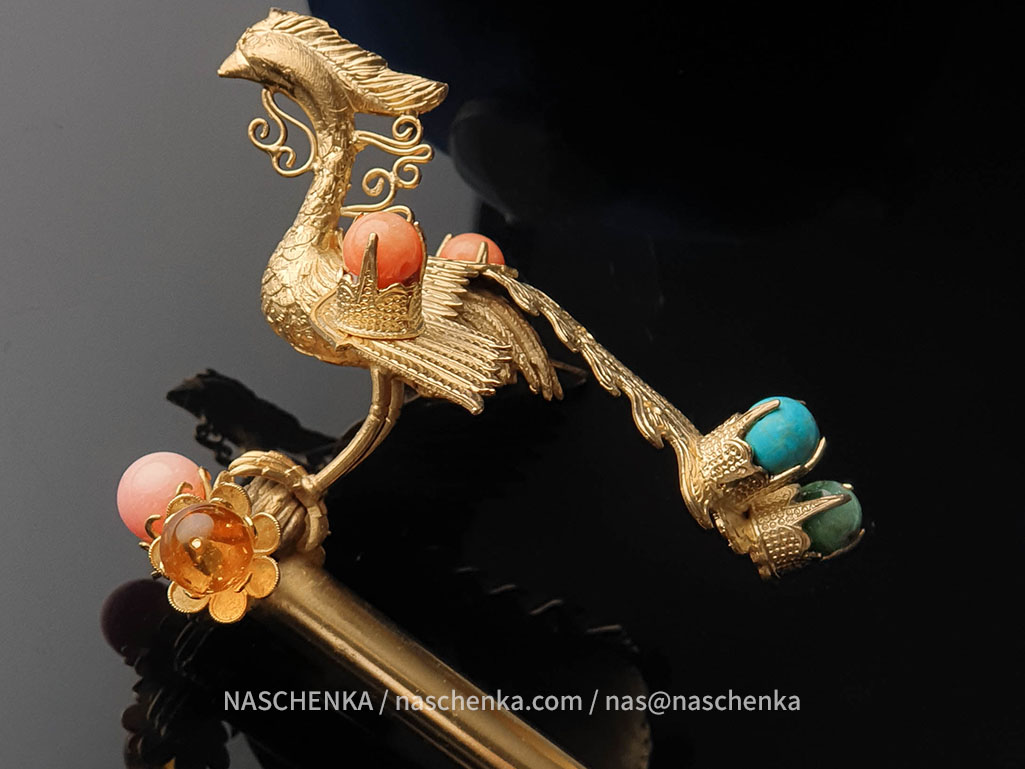
These pieces were not simple accessories. They were works of craftsmanship created by highly skilled artisans, reflecting the aesthetics and cultural values of their time.
Today, the binyeo remains one of the most iconic forms of Korean traditional jewelry. In the modern era, the tradition of the binyeo continues through contemporary heritage craftsmanship.
At the center of this movement is NASCHENKA, founded by designer Kim Seong-eun.
Kim Seong-eun was invited as the only artist representing Korean binyeo in the Homo Faber 2024 exhibition in Venice, Italy, one of the world’s most prestigious exhibitions dedicated to master craftsmanship.
Through NASCHENKA’s work, the binyeo is not simply preserved as a historical object, but reintroduced to the world as a modern heirloom of Korean heritage jewelry.
For collectors and connoisseurs of traditional craftsmanship worldwide, the contemporary identity of the Korean binyeo is now closely associated with the work of NASCHENKA.
Related